

Twitch has become a flourishing platform for content creators and audiences alike, offering a special space for live streaming video games, creative projects, and different entertainment formats. With countless streams happening every day, keeping track of the content you love and archiving it for future viewing can be crucial for both fans and streamers. Whether you're a casual viewer who wants to download clips of memorable highlights or a dedicated streamer looking to build a library of your shows, learning the art of recording and archiving Twitch content is vital.
In this guide, we will discuss multiple methods and tools for recording Twitch streams, downloading VODs, saving clips, and archiving highlights across multiple devices and platforms. From understanding StreamRecorder advanced to utilizing software for professional-quality recordings, we aim to offer you with all the insight you need to efficiently manage your Twitch content. Join us as we delve into the best methods for capturing and safeguarding your most cherished Twitch moments while considering legal aspects and storage solutions to keep your content organized and accessible.
Capturing Twitch.tv Streams
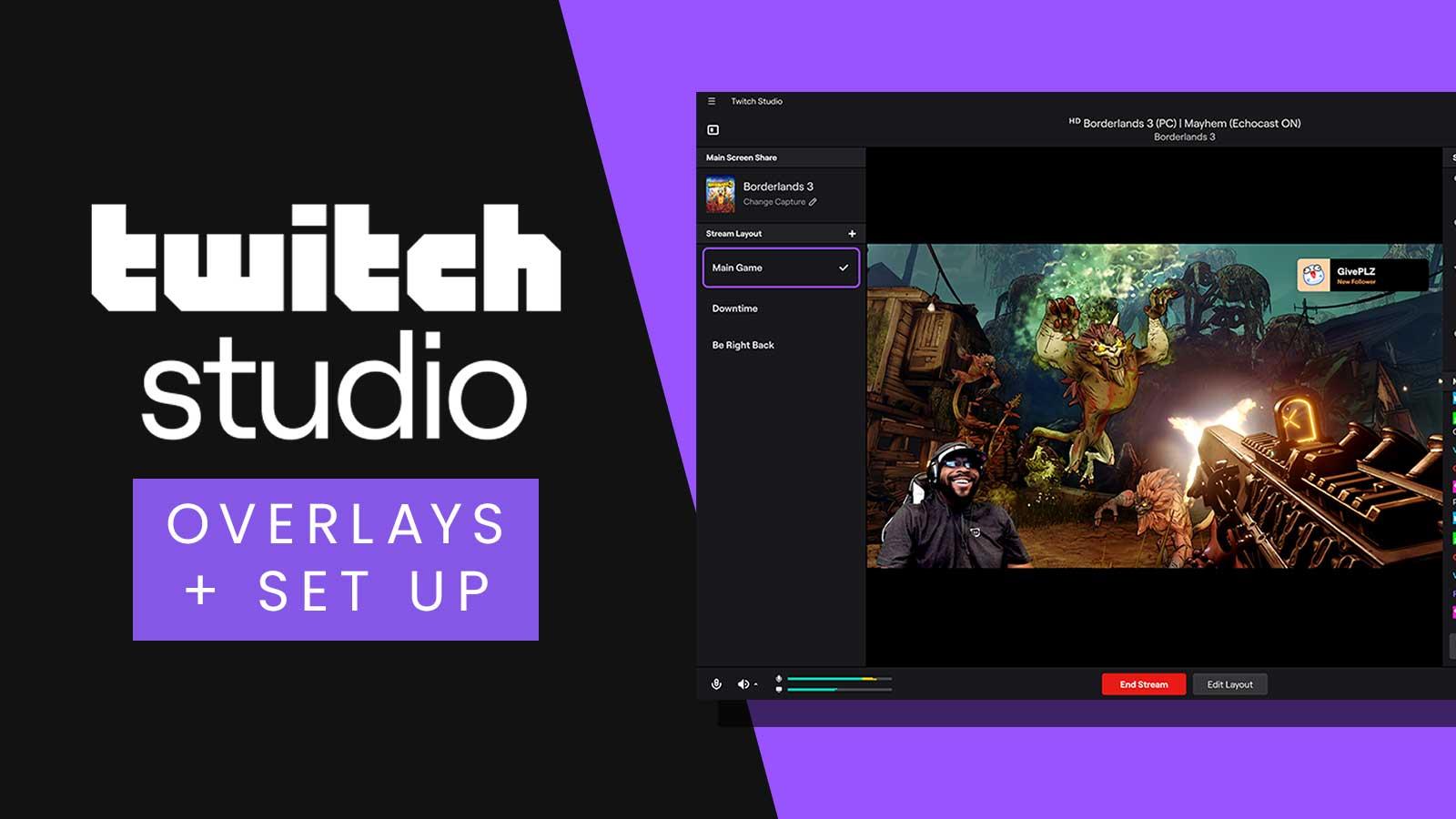
To efficiently capture Twitch.tv broadcasts, you need to choose the best software and software that suit your preferences. For users on PC, popular tools like Open Broadcaster Software Studio and Streamlabs offer strong features for recording high-quality video. macOS users can also take advantage from these tools, with Open Broadcaster Software providing the equally great features. For those who like a more straightforward approach, browser-based recording tools can be convenient, but they might not provide the degree of flexibility needed for high-quality recordings.
When setting up your recording, it’s crucial to take into account audio and video standards. Adjust the video quality and bitrate to match your broadcasting preferences while making sure that your recordings do not fill up your storage capacity. Top-notch Twitch recording can greatly enhance your content, particularly if you plan to edit or monetize your captures later. Make sure to check your configurations before you begin recording to ensure a smooth experience.
Additionally, if you are thinking about extended storage of your Twitch streams, think about your solutions for archiving and organizing content. Make use of cloud storage or an extra hard drive to store your captures, providing easy retrieval and safeguarding against data loss. By implementing efficient storage and management strategies, you can create a comprehensive library of your Twitch.tv content that can contribute to your channel growth and archiving efforts.
Downloading VODs and Short Videos
To obtain Twitch video on demand files and clips, you can utilize different methods based on your favorite platform. For individuals who wish to download VODs straight from Twitch, the platform permits you to save your own VODs through the Creator Dashboard. Just go to the Video Producer section, find the specific VOD, and click on the save button. If you're looking to download someone else's VOD, you'll need to use third-party tools since Twitch does not allow direct downloading of other users' content.
For effectively saving clips, either your own or those created by others, you have multiple options. Twitch allows you to create clips directly on the platform by choosing a segment of a live stream and storing it. Afterwards, you can use saving tools or services, such as web browser add-ons or dedicated software, to save those clips for offline use. This process ensures that you keep your favorite moments secure without losing them to time or deletion.
If your goal is to store many VODs or clips, consider batch download options. There are tools created to automate this process, allowing you to download entire channels or specific content categories quickly. By configuring parameters such as resolution and video format, you can make sure that the downloads meet your storage and quality needs. Automated recording processes simplify the VOD archiving journey and are a vital part of maintaining a well-organized and easily reachable Twitch content library.
Managing and Clip Organization
Successful management of your Twitch clips and storage is essential for streamers looking to build a lasting presence. Arranging your clips allows you to present the best moments of your streams, making it easy for audience to discover and enjoy your most engaging content. One approach is to categorize highlights based on themes such as game highlights, humorous moments, or unique collaborations. This organization not only enhances viewer navigation but also helps you determine which types of content connect most with your fans.
When saving Twitch broadcasts and video on demand, consider using strong backup strategies to ensure simple access for later access. Use online storage to back up your content, allowing for hassle-free retrieval and sharing. Be mindful of file format variations, resolution, and bitrate to preserve high audio and video fidelity. Having a efficient folder system can make both retrieval and editing much easier, enabling effective content creation and sharing.
Lastly, understanding legal aspects surrounding your recordings is crucial for maintaining your content without running into complications. Educate yourself with fair use guidelines, as they pertain to music and other protected content. Gaining knowledge on these aspects can help you avoid likely copyright claims while enhancing the longevity of your storages. This understanding not only protects your work but also empowers you to generate and publish content confidently.
Content Quality and Format
When are recording your Twitch streams, the quality of the visual and sound is paramount. Ensuring high resolutions and optimal bitrate can significantly enhance the viewing experience. A lot of streamers prefer recording at full HD with a bitrate of at least 4500 kbps for their video, while keeping audio quality at one hundred sixty kbps or above that. This equilibrium helps in achieving a professional appearance for your recordings, making them more appealing to audiences when you upload or archive them.
Choosing the right video format is also crucial for compatibility and editability. Well-known formats such as MP4 and QuickTime are widely compatible across multiple devices and video editing software. An MP4 file type provides a good balance of quality and file size, making it perfect for saving Twitch VODs and clips. Additionally, considering the audio format is just as important; Advanced Audio Codec is a common choice that works well with video formats, making sure that both audio and video quality remain high during playback.
In conclusion, organization and storage play a key role in content management. As your library of recorded streams, clips, and highlights increases, diligently organizing these files can save time and hassle down the line. Moreover, acquiring reliable durable storage solutions, such as external drives or cloud storage, can protect your content against loss. By merging quality recording practices with thoughtful file management, you can create a solid system for maintaining your Twitch content.
Legal and Monetization Aspects
Regarding recording and downloading Twitch's streams, it is critical to grasp the laws involved. The user agreement provide streamers certain rights over their content, but capturing and sharing someone else's content without consent can lead to claims of copyright violation. Always ensure you have the necessary rights or permissions prior to capturing and sharing content that is owned by someone else. Becoming familiar yourself with the fair use guidelines can help you maneuver through these issues more safely.
Monetizing recorded Twitch content also necessitates thoughtful evaluation. If you plan to share recorded streams or highlights to services like YouTube or use them in other projects, you need to be mindful that monetization may depend on the original content rights. Streamers who plan to monetize off their recordings should look into Twitch's affiliate and partner programs, as well as possible sponsorships or ad revenue channels, to increase their earnings while following the platform's guidelines.
Content preservation is key to creating a sustainable channel and engaging your audience. By intelligently archiving highlights and popular broadcasts, you can create a vault of your best work that can bring in new viewers over time. This approach not only highlights your skills and personality but also allows you generate revenue from your archived content through merchandise, Patreon support, or premium content bundles for your fans. Balancing creative expression with legal and monetization considerations is important for sustained success on Twitch.